-
Pakan Kuda Terbaik: Rumput vs Konsentrat untuk Nutrisi Pacu
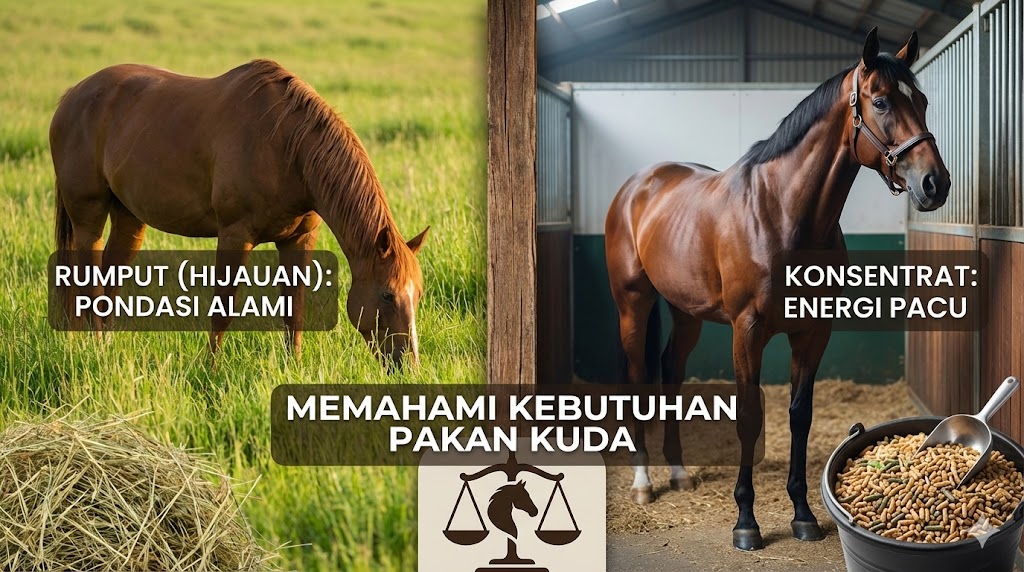
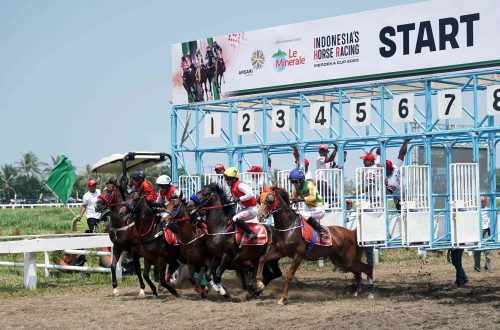
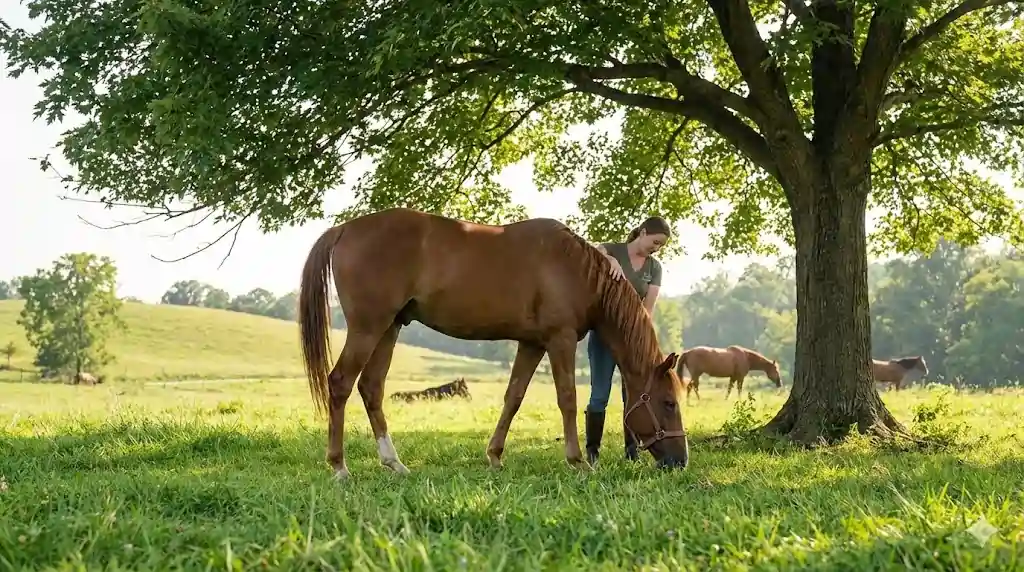
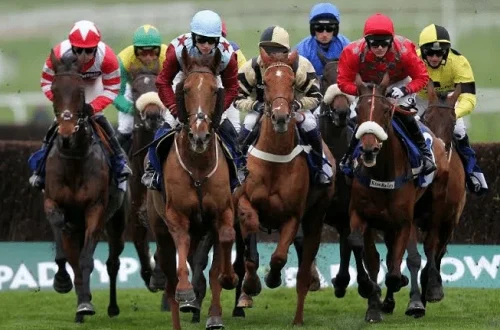
Memahami Kebutuhan Pakan Kuda: Rumput vs Konsentrat brickerperformanceponies – Pernahkah Anda memperhatikan kuda yang sedang merumput di padang luas? Mereka tampak tenang, mengunyah perlahan, seolah tidak punya beban hidup. Namun, coba bandingkan dengan kuda pacu di starting gate yang ototnya berkedut penuh energi meledak-ledak. Dua pemandangan ini menggambarkan dilema terbesar bagi para pemilik kuda: bagaimana menyeimbangkan insting alami kuda sebagai hewan penggembala dengan tuntutan modern sebagai atlet berprestasi? Seringkali, kita sebagai pemilik terjebak dalam “humanisasi” hewan peliharaan. Kita berpikir jika kita suka makan tiga kali sehari dengan porsi besar, maka kuda pun demikian. Atau lebih parah lagi, kita menganggap pakan kuda terbaik adalah yang paling mahal harganya dalam kemasan karung…
-
Panduan Groundwork Kuda: Kunci Respek & Keamanan Berkuda
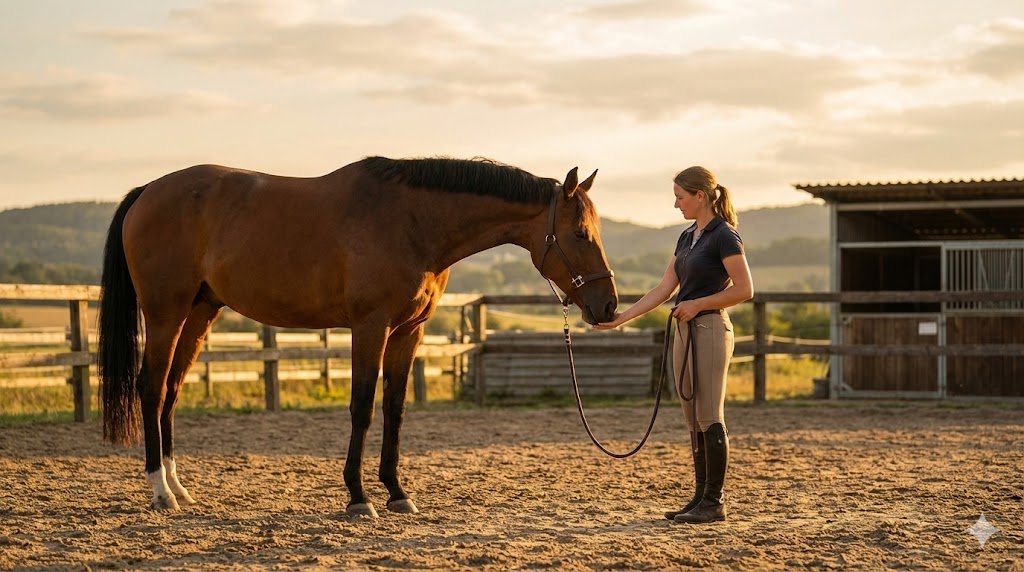
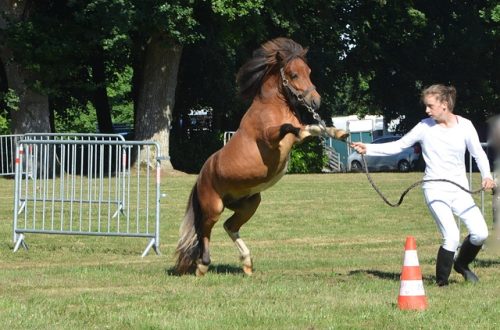
Pentingnya Groundwork: Membangun Respek Kuda Sebelum Dinaiki brickerperformanceponies – Bayangkan skenario ini: Anda baru saja tiba di kandang (stable), bersemangat untuk menunggangi kuda kesayangan. Namun, saat Anda mencoba menuntunnya keluar, dia menyeret Anda ke arah rumput hijau. Saat diikat untuk disikat (grooming), dia gelisah, menendang-nendang kecil, atau bahkan mencoba menggigit bahu Anda. Lalu, saat Anda mencoba naik ke pelana, dia tidak mau diam, berputar-putar membuat Anda melompat dengan satu kaki seperti orang bingung. Pernah mengalaminya? Jika iya, masalahnya bukan pada kemampuan riding Anda, melainkan pada apa yang terjadi sebelum kaki Anda menyentuh sanggurdi. Banyak penunggang pemula—bahkan yang sudah menengah—terlalu terburu-buru ingin merasakan angin menerpa wajah di atas punggung kuda. Mereka…
-
Masterclass: Cara Melatih Kuda dari Nol hingga Mahir Berkuda
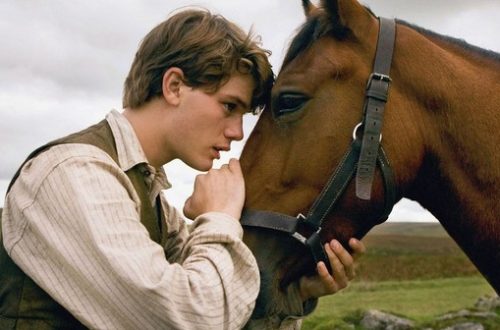
Masterclass Pelatihan Kuda: Dari Groundwork hingga Saddle brickerperformanceponies – Pernahkah Anda menatap mata seekor kuda dan bertanya-tanya, “Apa yang sebenarnya dia pikirkan?” Bagi banyak orang, kuda adalah makhluk yang agung sekaligus misterius. Ukurannya yang besar dan kekuatannya yang luar biasa seringkali menimbulkan rasa intimidasi, namun di balik itu, tersimpan jiwa yang sensitif dan cerdas yang mendambakan koneksi. Membangun kemitraan dengan kuda bukanlah tentang dominasi, melainkan tentang komunikasi. Ini adalah sebuah tarian halus antara kepercayaan dan rasa hormat. Banyak penunggang pemula terjebak dalam anggapan bahwa cara melatih kuda hanyalah soal naik ke punggungnya dan menarik tali kekang. Padahal, fondasi sejati dari setiap penunggang kuda yang hebat justru dibangun jauh sebelum kaki…
-
Larasati Gading: Legenda Atlet Berkuda Indonesia di Mata Dunia
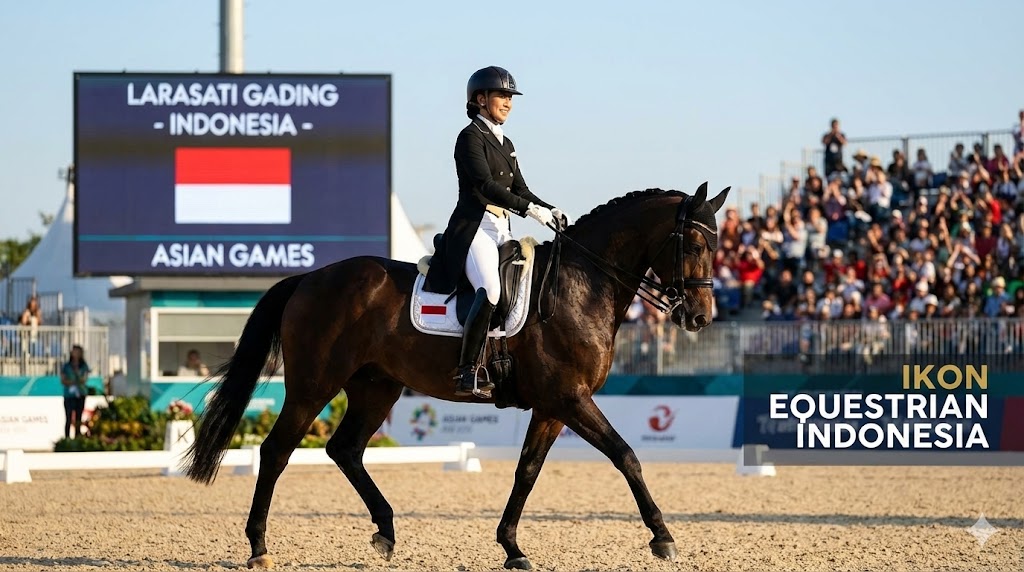
Profil Larasati Gading: Ikon Equestrian Indonesia di Kancah Internasional brickerperformanceponies – Jika mendengar kata “berkuda”, apa yang pertama kali terlintas di benak Anda? Mungkin Anda membayangkan pangeran di negeri dongeng, atau justru sekadar wisata keliling kota naik delman di akhir pekan. Padahal, di dunia olahraga profesional, berkuda—atau equestrian—merupakan seni tingkat tinggi. Olahraga ini memadukan kekuatan fisik prima, ketajaman mental, serta chemistry emosional yang mendalam antara manusia dan hewan. Di Indonesia, tidak ada nama yang lebih lekat dengan keanggunan serta disiplin olahraga ini selain Larasati Gading. Bagi generasi milenial atau Gen Z, nama ini mungkin terdengar agak asing. Namun, bagi pecinta olahraga tanah air, Larasati Gading adalah legenda hidup yang tak…
-
Tips Fotografi Kuda: Teknik Motret Aksi Cepat di Lapangan
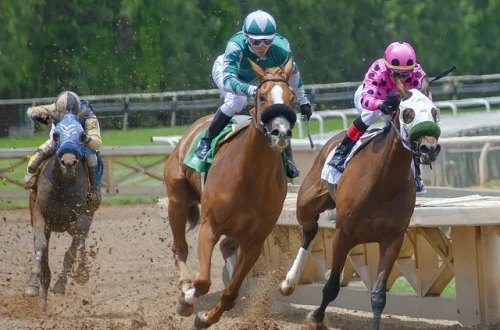
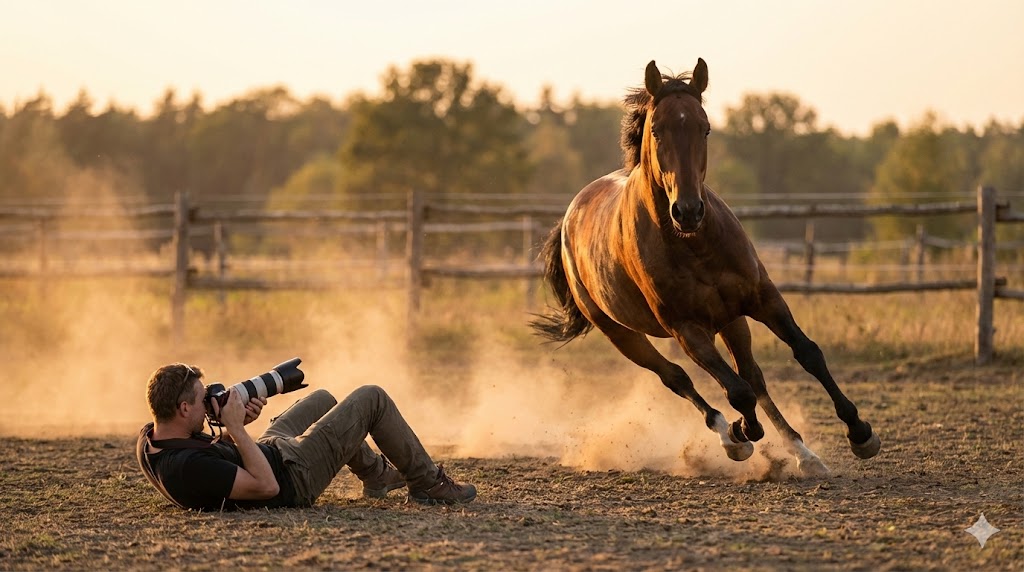
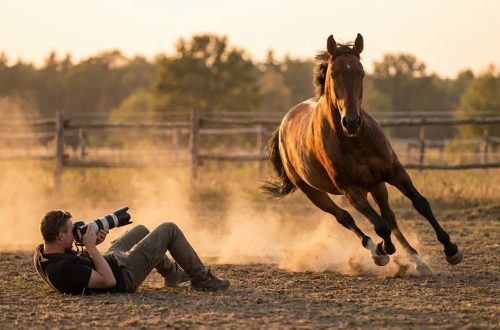
Fotografi Kuda: Tips Memotret Kuda yang Bergerak Cepat di Lapangan brickerperformanceponies – Pernahkah Anda berdiri di pinggir lapangan pacuan atau padang rumput, terpukau melihat seekor kuda berlari dengan gagahnya? Otot-otot yang menegang, surai yang berkibar diterpa angin, dan debu yang berhamburan di setiap hentakan kaki menciptakan pemandangan yang magis. Naluri fotografer Anda langsung bereaksi: angkat kamera, bidik, dan cekrek! Namun, saat Anda melihat layar LCD kamera, realita sering kali tak seindah harapan. Gambar yang terekam malah blur, fokus lari ke ekor (atau lebih parah, ke rumput di belakangnya), atau kaki kuda terlihat canggung. Frustrasi? Tentu saja. Memotret hewan, apalagi yang bergerak secepat kuda, memang salah satu genre fotografi yang paling…
-
Kisah Haru Rescue Kuda Delman: Pensiun Layak & Bahagia
Kisah Penyelamatan Kuda Delman Tua yang Pensiun dengan Layak brickerperformanceponies – Pernahkah Anda berhenti sejenak di tengah hiruk-pikuk kota saat mendengar suara tapak kaki kuda beradu dengan aspal panas? “Tuk tik tak tik tuk,” bunyi sepatu besi itu sering kali terdengar sebagai nostalgia romantis transportasi masa lalu. Namun, jika Anda melihat lebih dekat, melampaui hiasan rumbai warna-warni di kepalanya, Anda mungkin akan menemukan realita yang jauh dari kata indah. Anda akan melihat mata yang sayu, tulang rusuk yang menonjol di balik kulit penuh luka gesekan, serta busa putih yang mengering di sekitar mulutnya. Bagi banyak kuda pekerja di Indonesia, masa tua bukanlah tentang menikmati rumput hijau di padang yang luas.…
-
7 Riding School Jakarta & Rekomendasi Stable Terbaik di Jabodetabek
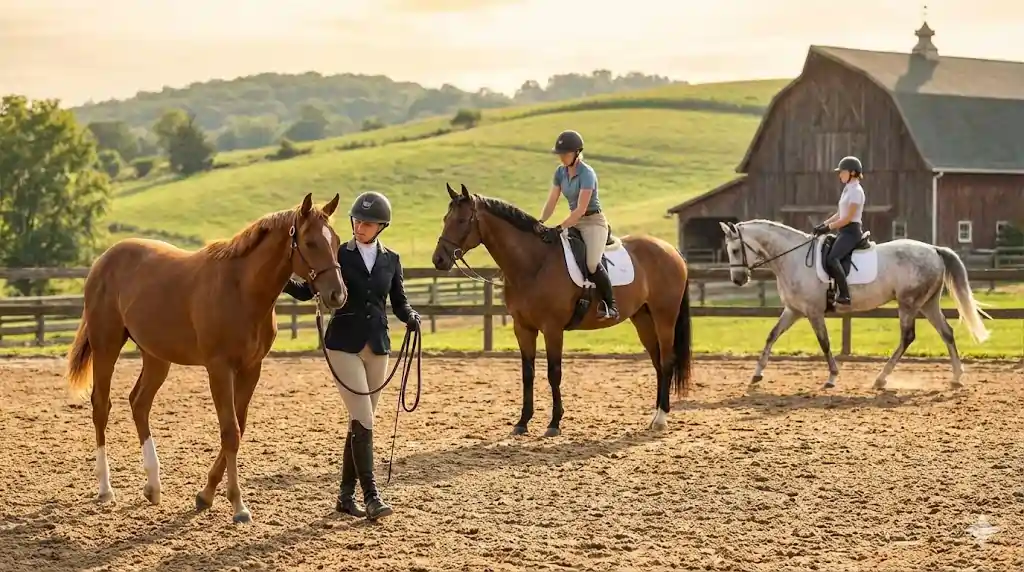
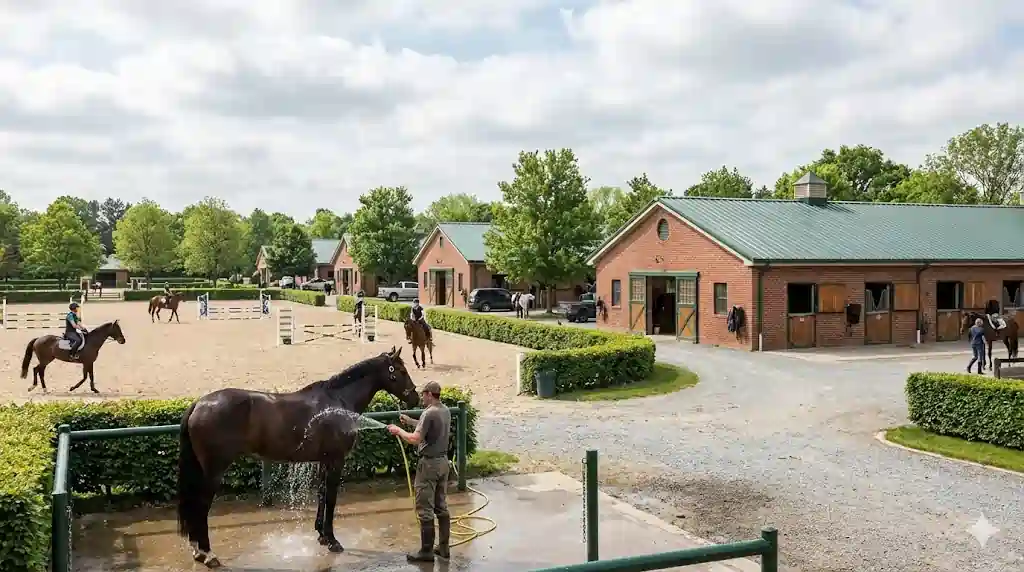
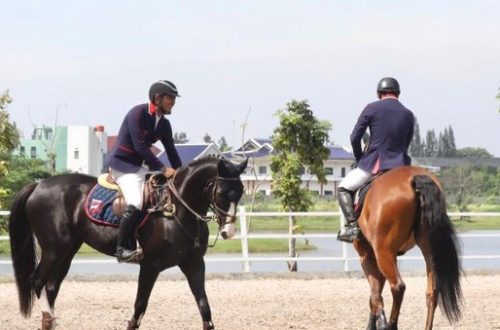
Daftar Sekolah Berkuda (Stable) Terbaik di Jabodetabek dan Fasilitasnya brickerperformanceponies – Pernahkah Anda menggulir feed Instagram dan berhenti sejenak melihat foto selebriti favorit Anda tampak begitu gagah dan anggun di atas punggung kuda? Atau mungkin Anda terpukau melihat ketenangan para atlet dressage yang seolah menari bersama kuda mereka? Dulu, olahraga berkuda mungkin identik dengan kemewahan kaum aristokrat atau hobi mahal yang tak terjangkau. Namun, ketika Anda memikirkannya lagi, persepsi itu perlahan mulai bergeser. Kini, berkuda bukan lagi sekadar simbol status, melainkan gaya hidup sehat yang menantang adrenalin dan melatih ketenangan jiwa. Tidak heran jika pencarian kata kunci riding school Jakarta meningkat pesat belakangan ini. Warga ibu kota yang penat dengan…
-
Lifestyle Berkuda & Fashion Equestrian: Hobi Sultan atau Tren?
Tren Gaya Hidup Equestrian: Fashion dan Wisata Berkuda brickerperformanceponies – Pernahkah Anda menggulir laman Instagram atau TikTok akhir-akhir ini dan merasa seolah-olah sedang melihat katalog majalah Ralph Lauren berjalan? Anda melihat selebritas tanah air atau influencer favorit berpose gagah di atas punggung kuda, mengenakan sepatu bot kulit setinggi lutut, celana ketat berwarna krem, dan helm beludru yang tampak mahal. Seketika, aura elegan dan berkelas terpancar dari foto tersebut. Fenomena ini bukan kebetulan semata. Dalam beberapa tahun terakhir, lifestyle berkuda telah bertransformasi. Jika dulu olahraga ini dianggap eksklusif milik keluarga kerajaan atau konglomerat “Sultan” yang memiliki lahan berhektar-hektar, kini berkuda telah menjadi bagian dari gaya hidup urban yang aspirasional. Bukan hanya…
-
5 Jenis Kuda Populer di Indonesia: Sandel hingga Thoroughbred
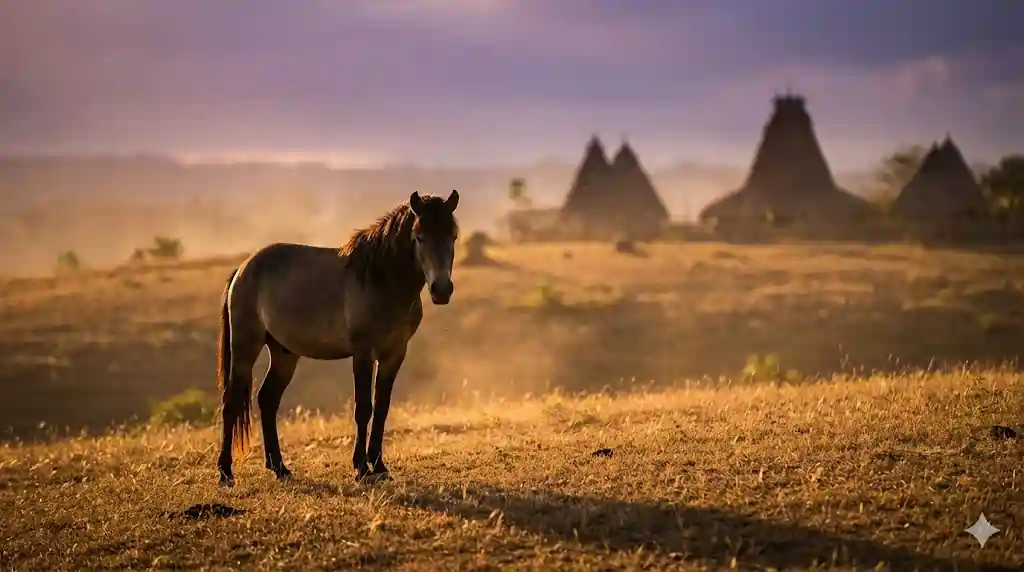
5 Jenis Kuda Paling Populer di Indonesia: Dari Sandel hingga Thoroughbred brickerperformanceponies – Pernahkah Anda duduk di atas delman saat masih kecil, mendengar suara tapak kaki tak-tik-tuk yang berirama di atas aspal, dan bertanya-tanya: “Kuda jenis apa ya ini?” Atau mungkin, Anda pernah melihat tayangan pacuan kuda di televisi, di mana kuda-kuda jangkung berlari secepat kilat dengan joki yang membungkuk aerodinamis di punggungnya? Dunia perkudaan di Indonesia itu unik. Kita memiliki sejarah panjang hidup berdampingan dengan hewan gagah ini, bukan hanya sebagai alat transportasi di masa lampau, tetapi juga sebagai bagian tak terpisahkan dari budaya dan gengsi. Dari sabana kering di Nusa Tenggara hingga istal-istal mewah di pinggiran Jakarta, Indonesia…
-
Panduan Hobi Berkuda Pemula: Cek Biaya Les Berkuda & Persiapan
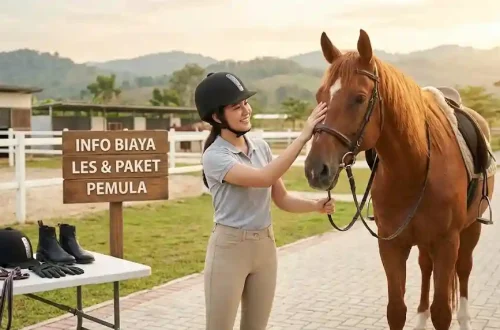
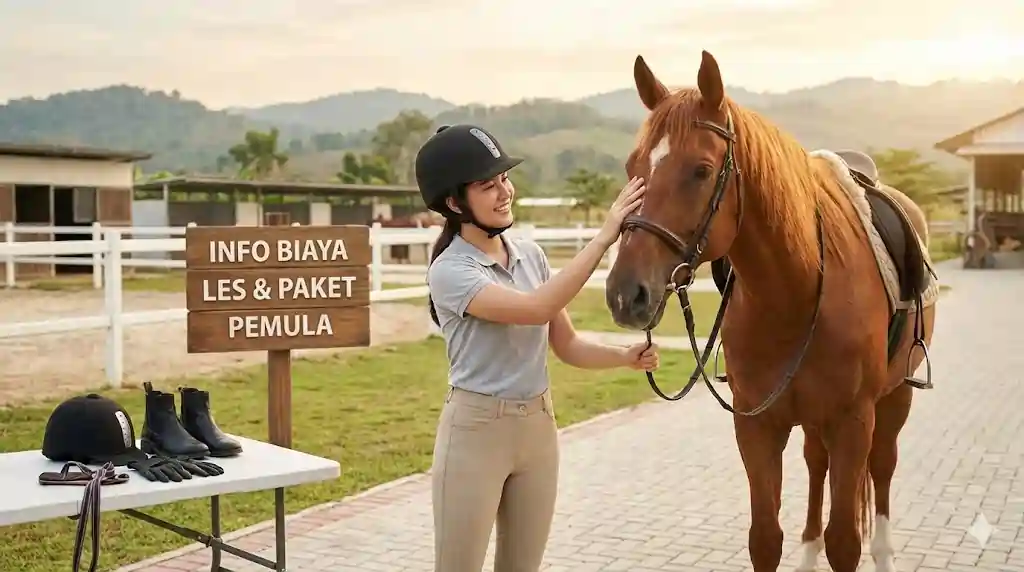
Panduan Lengkap Memulai Hobi Berkuda: Biaya dan Persiapan brickerperformanceponies – Pernahkah Anda menonton film kolosal atau melihat unggahan selebritas di Instagram yang sedang menunggang kuda dengan gagahnya? Ada aura elegan, kebebasan, dan sedikit sentuhan aristokrat yang membuat olahraga ini terlihat begitu memikat. Bayangkan angin menerpa wajah saat Anda memacu kuda melintasi lapangan hijau, rasanya seperti menjadi pemeran utama dalam film kehidupan Anda sendiri. Namun, mari kita turun ke bumi sejenak. Di balik foto-foto estetik itu, ada realita tentang otot paha yang pegal, debu kandang, dan tentu saja, pertanyaan finansial yang menghantui: “Apakah dompet saya sanggup membiayai hobi ini?” Bagi Anda yang baru ingin mencicipi dunia equestrian, wajar jika merasa intimidasi.…